
TOMMY JOHN REHAB & RETURN-TO-THROWING PROGRAM
A performance-first plan with phased progressions, objective testing, and a structured return-to-throwing program.
Recovering from Tommy John surgery isn’t just about healing the elbow.
It’s about rebuilding strength throughout the entire throwing chain and preparing your body to tolerate the speed, repetition, and stress of competitive throwing.
Many athletes feel strong during early strengthening but struggle when throwing velocity, workload, or fatigue increases. That’s often when symptoms return and confidence drops.
At The Lab, our Tommy John rehab program is designed for throwing athletes who want more than basic physiotherapy. We use a phased return-to-throwing model built around objective progress markers so you always know what you’re working toward, where you’re at, and what’s next.
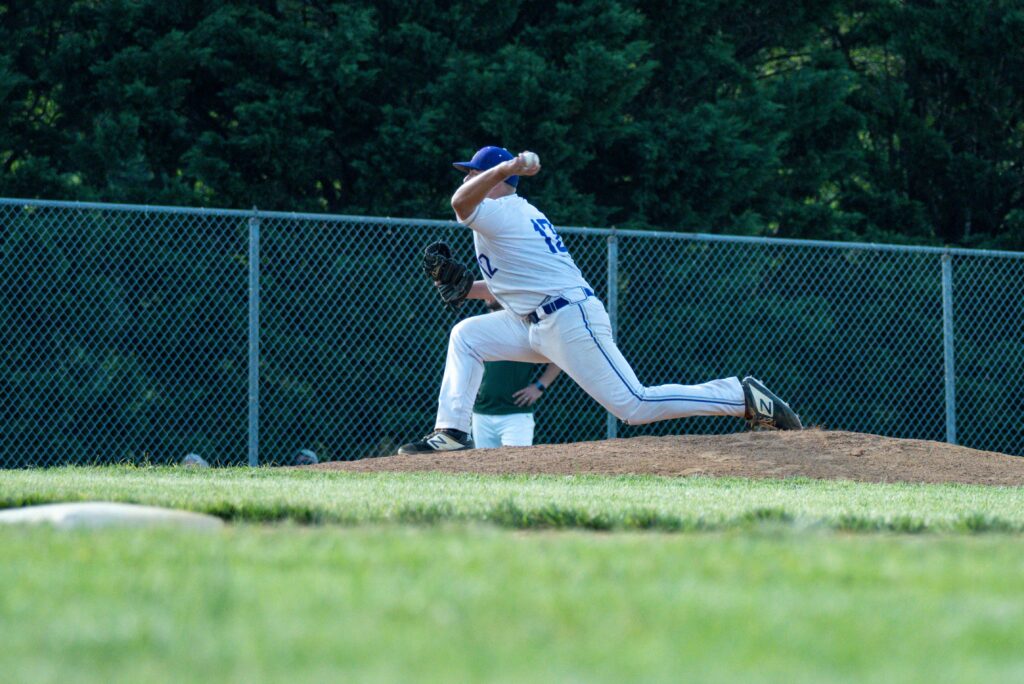
WHO THIS PROGRAM IS FOR
This program is built for:
- Baseball and softball pitchers
- Position players returning to throwing
- Overhead athletes
- Competitive and recreational throwing athletes
- Athletes preparing for structured return-to-throwing programs
- Active individuals recovering from UCL reconstruction
Whether you’re early post-op or months into rehab and feeling behind, we’ll meet you where you’re at and build the plan from there.
WHY TOMMY JOHN REHAB NEEDS A PERFORMANCE-FOCUSED APPROACH
Tommy John rehab is often treated like an elbow problem.
But throwing performance involves far more than the elbow alone.
A healthy return to throwing depends on the entire kinetic chain. The shoulder, scapula, trunk, hips, and lower body all contribute to generating and transferring force during a throw. When these areas aren’t rebuilt properly, stress often returns to the elbow.
That’s not failure. It’s a capacity issue.
Our approach blends progressive elbow and forearm loading with shoulder strength, scapular control, and lower-body power development. As throwing begins, athletes progress through structured interval throwing programs designed to rebuild velocity tolerance and workload capacity safely.
The goal is simple: return to throwing stronger, not just “cleared.”

WHAT TO EXPECT AT YOUR POST-OP TOMMY JOHN ASSESSMENT
Your initial assessment at The Lab includes:
1. Injury + Surgery Review
We’ll review your surgical procedure, throwing history, position demands, and any associated shoulder or elbow issues.
2. Symptom + Irritability Screen
We’ll assess pain, stiffness, swelling, and tolerance to daily activity so we can scale rehab properly for your current phase.
3. Movement + Strength Assessment
Depending on where you are post-op, we’ll assess:
- Elbow range of motion
- Forearm and grip strength
- Rotator cuff strength
- Scapular control
- Core and lower-body mechanics
- Overall throwing-chain capacity
4. Clear Phase-Based Plan
You’ll leave with:
- A rehab plan tailored to your current phase
- Clear next milestones and performance targets
- A structured home program
- Recommendations for frequency and progression
TOMMY JOHN REHAB
What the process looks like
Every surgery is different, and every athlete progresses differently, but strong return-to-throwing rehab generally follows a phased progression.
Phase 1: Early Recovery
In this initial stage, the priority is protecting the reconstructed ligament while restoring safe elbow motion and rebuilding early muscle activation. We focus on range of motion, gentle strengthening of the forearm and grip, and restoring shoulder mobility. The goal is to reintroduce movement without stressing the healing ligament.
Phase 2: Strength + Movement Rebuild
As healing progresses, the focus shifts toward rebuilding strength throughout the arm and shoulder. Rotator cuff loading, scapular stability, and progressive strengthening of the elbow and forearm help restore capacity for higher loads.
Phase 3: Kinetic Chain Development
Throwing performance relies on more than the arm alone. This stage introduces core, hip, and lower-body strength development to rebuild the kinetic chain that supports powerful and efficient throwing mechanics.
Phase 4: Plyometrics + Power Development
Once strength benchmarks are met, athletes begin plyometric drills and medicine ball work designed to develop arm speed and power. These exercises prepare the body for the explosive demands of throwing.
Phase 5: Return-to-Throwing Program
Athletes begin a structured interval throwing program that gradually increases throwing distance, intensity, and volume. The goal is to rebuild velocity tolerance while carefully managing workload.
Phase 6: Return-to-Competition Preparation
The final phase bridges rehab and competition. Throwing intensity, workload, and fatigue tolerance are progressed until athletes can safely return to game environments.
We’ll walk you through what each phase looks like and exactly what you should be working on right now.
RETURN-TO-SPORT TESTING (AND WHY IT MATTERS)
One of the biggest gaps in throwing rehab is the lack of objective testing.
At The Lab, we use return-to-sport testing to help answer the questions athletes care about most:
- Is my arm strong enough to tolerate throwing workload?
- Is my shoulder and scapular strength symmetrical?
- Can my body generate power through the kinetic chain?
- Is my elbow prepared for higher throwing intensity?
Testing gives you clarity. It also gives your surgeon or sports medicine team better information for clearance decisions.
COMMON QUESTIONS AFTER TOMMY JOHN SURGERY
“How long does Tommy John recovery take?”
Most athletes expect a 12–18 month timeline before full return to competition, depending on position and throwing demands.
“When can I start throwing again?”
Throwing typically begins after strength and mobility benchmarks are met and the ligament has healed sufficiently.
“Will my velocity return?”
With proper rehab and progressive throwing exposure, many athletes regain or even improve velocity over time.
“Why does rehab focus on my hips and core?”
Throwing power comes from the entire body. Improving lower-body and trunk strength helps reduce stress on the elbow.
“How often do I need to come in?”
This depends on your phase, goals, and throwing schedule. Some athletes benefit from weekly coaching, while others follow structured progression blocks.

WHAT MAKES THE LAB DIFFERENT
Tommy John rehabilitation should prepare you for throwing, not just daily life.
At The Lab, our post-operative throwing rehab is built for athletes who want:
- Clear phase-based progressions
- Structured return-to-throwing programs
- Objective testing and measurable milestones
- Strength and performance training integrated into rehab
- Coaching that builds confidence, not fear
We’re not here to rush you. We’re here to return you to throwing ready.
Ready to Start Tommy John Rehab With a Clear Plan?
If you’ve had UCL reconstruction surgery and want a rehab plan built around performance, testing, and a structured return-to-throwing progression, book your post-op assessment today.