
ACL RECONSTRUCTION REHAB & RETURN-TO-SPORT PROGRAM
A performance-first plan with phased progressions, objective testing, and clear return criteria.
Recovering from ACL surgery isn’t just about “getting your knee back.”
It’s about rebuilding confidence, restoring strength, and returning to sport with a knee that can handle the real demands of cutting, jumping, sprinting, and decelerating.
At The Lab, our ACL reconstruction rehab program is designed for athletes and active people who want more than basic physiotherapy. We use a phased return-to-sport model built around objective progress markers so you always know what you’re working toward, where you’re at, and what’s next.

WHO THIS PROGRAM IS FOR
This program is built for:
- Athletes returning to field sports (soccer, football, rugby, lacrosse)
- Court sports (basketball, volleyball)
- Runners and endurance athletes
- Recreational lifters and gym athletes
- Skiers and snowboarders
- Active adults who want to return to training safely and confidently
Whether you’re early post-op or months into rehab and feeling behind, we’ll meet you where you’re at and build the plan from there.
WHY ACL REHAB NEEDS A PERFORMANCE-FOCUSED APPROACH
ACL reconstruction rehab is often treated like a checklist.
But return-to-sport isn’t a timeline. It’s a readiness decision.
Many athletes feel “fine” walking and doing basic exercises, but struggle when they reintroduce sport-specific loading, cutting, reactive movement, or high-speed mechanics. That’s where re-injury risk increases and confidence drops.
Our approach blends:
- Strength and movement quality
- Tissue capacity and progressive loading
- Sport-specific mechanics and power development
- Return-to-play testing and clear criteria
The goal is simple: return to sport stronger, not just “cleared.”
WHAT TO EXPECT AT YOUR POST-OP ACL ASSESSMENT
Your initial assessment at The Lab includes:
1. Injury + Surgery Review
We’ll review your ACL injury history, surgery type, graft type, and any associated repairs (meniscus, cartilage, etc.).
2. Symptom + Swelling Screen
We’ll assess pain, swelling, stiffness, and tolerance to daily movement so we can scale rehab properly for your current phase.
3. Movement + Strength Assessment
Depending on where you are post-op, we’ll assess:
- Range of motion
- Quadriceps activation and strength
- Hip and trunk control
- Single-leg stability and mechanics
- Gait, stair function, and loading tolerance
4. Clear Phase-Based Plan
You’ll leave with:
- A rehab plan tailored to your current phase
- Clear next milestones and performance targets
- A structured home program
- Recommendations for frequency and progression
ACL RECONSTRUCTION REHAB
What the process looks like
Every ACL injury is different, and every athlete progresses differently.
But strong ACL return-to-sport rehab generally follows a phased progression:
Phase 1: Early Recovery
Focus: swelling control, restoring range, regaining quad activation, rebuilding basic strength.
Phase 2: Strength + Movement Rebuild
Focus: progressive loading, single-leg control, rebuilding capacity, improving movement mechanics.
Phase 3: Running + Plyometrics
Focus: return-to-running progressions, jumping mechanics, controlled power development.
Phase 4: Sport-Specific Training
Focus: cutting, change of direction, deceleration, reactive work, return-to-play preparation.
Phase 5: Return-to-Sport Testing + Clearance Support
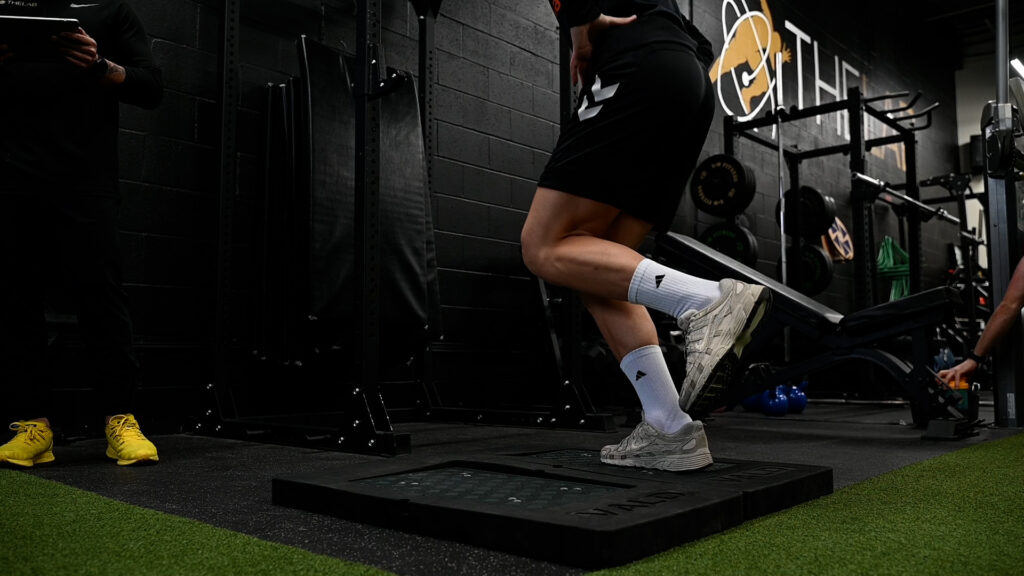
Focus: objective strength and hop testing, movement screening, and readiness markers to guide your return.
We’ll walk you through what each phase looks like and exactly what you should be working on right now.
RETURN-TO-SPORT TESTING (AND WHY IT MATTERS)
One of the biggest gaps in ACL rehab is the lack of objective testing.
At The Lab, we use return-to-sport testing to help answer the questions athletes care about most:
- Am I actually ready to run?
- Am I strong enough to cut and pivot?
- Is my surgical leg performing like my non-surgical leg?
- Is my knee prepared for the speed and chaos of sport?
Testing gives you clarity. It also gives your surgeon or sports medicine team better information for clearance decisions.
COMMON QUESTIONS AFTER ACL SURGERY
“How long does ACL recovery take?”
Most athletes expect a 9–12 month timeline, but true readiness depends on strength, movement quality, and sport demands.
“When can I start running again?”
Running is usually introduced when strength, swelling, and mechanics meet key benchmarks, not simply based on time.
“When can I lift heavy again?”
We reintroduce heavier strength training progressively and safely, based on your tolerance and phase of rehab.
“What if I’m behind in rehab?”
You’re not alone. Many athletes stall due to pain, swelling, fear, or lack of structure. We’ll assess where the gaps are and build a clear plan forward.
“How often do I need to come in?”
This depends on your phase, goals, and schedule. Some athletes benefit from weekly coaching, others use check-ins and structured progression blocks.
“What if I still have pain or swelling months after surgery?”
Persistent symptoms are common and treatable, especially when rehab hasn’t matched the demands of your sport or training. We’ll address the root cause and rebuild capacity safely.

WHAT MAKES THE LAB DIFFERENT
ACL surgery physiotherapy should prepare you for sport, not just daily life.
At The Lab, our post-operative ACL rehab is built for athletes who want:
- Clear phase-based progressions
- Objective testing and measurable milestones
- Strength and performance training integrated into rehab
- Coaching that builds confidence, not fear
- A return-to-play plan that matches the sport you actually do
We’re not here to rush you. We’re here to return you to sport ready.


Ready to Start ACL Rehab With a Clear Plan?
If you’ve had ACL reconstruction surgery and want a rehab plan built around performance, testing, and return-to-sport readiness, book your post-op assessment today.